The Nightfall Outline: A Vintage Script for Modern Branding
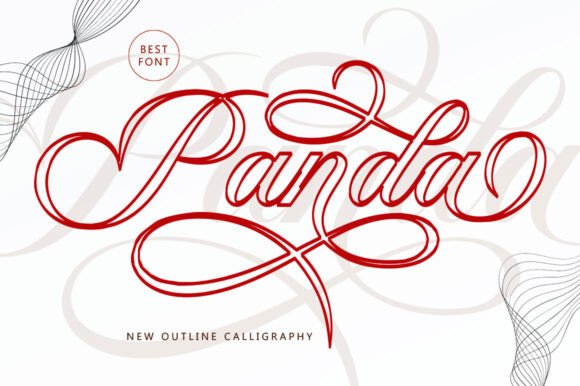
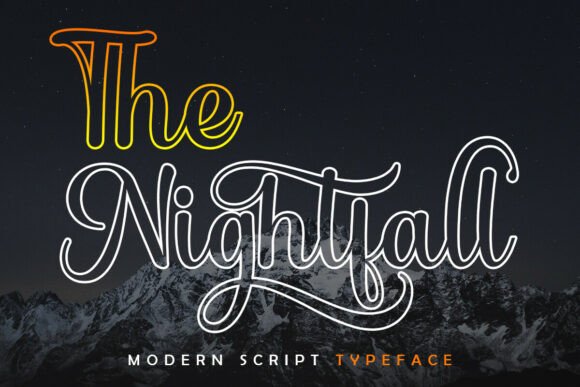
Finding a typeface that balances elegance with a distinct personality can transform a good design into an unforgettable one. The Nightfall Outline is a romantic, bold, and fun vintage script font that captures this balance perfectly, offering designers a versatile tool for creating impactful visual communication.
This font isn't just another decorative script. Its carefully crafted outline style provides a modern twist on classic calligraphy, making it suitable for a wide range of creative projects. Understanding its strengths and applications can significantly enhance your design workflow and final output.
What Makes The Nightfall Outline Stand Out?
In today's saturated design landscape, typography is a critical component of brand identity. A font like The Nightfall Outline helps establish a memorable visual hierarchy and tone. Its vintage charm evokes nostalgia and authenticity, while its bold, clean outlines ensure it remains legible and contemporary across various media.
The font's technical features are designed for professional use. With over 300 glyphs, 100+ alternate characters, ligatures, and swashes, it offers extensive customization. This allows for unique, handcrafted-looking headlines and logos that avoid a generic feel. Multiple language support further extends its utility for global brands and projects.
Practical Applications for Designers and Creators
The versatility of this typeface makes it a valuable asset in numerous design contexts. Here’s how it can be applied effectively:
- Branding and Logo Design: It excels at creating logos, wordmarks, and brand identities for businesses wanting a vintage, artisanal, or luxurious feel. Think boutique shops, wedding planners, craft breweries, or lifestyle brands.
- Marketing and Print Materials: Its bold presence is ideal for headlines on posters, flyers, and advertisements. It also adds a personal touch to letterheads, business cards, and signage.
- Digital and Social Media: Use it for eye-catching social media graphics, Instagram quotes, YouTube thumbnails, or blog headers to increase engagement and visual appeal.
- Event and Editorial Design: It is a perfect choice for wedding invitations, greeting cards, magazine mastheads, and book covers where elegance and personality are paramount.
- Packaging and Merchandise: Apply it to product labels, gift tags, t-shirt designs, and badges to create a cohesive and stylish product presentation.
Tips for Effective Typography Integration
While a powerful font, its effectiveness depends on thoughtful implementation. Consider these factors when incorporating The Nightfall Outline into your projects:
- Pairing is Key: Balance its decorative nature with a simple, clean sans-serif or serif font for body text. This maintains readability and creates a clear visual hierarchy.
- Context and Audience: Ensure the vintage script style aligns with your brand's voice and your target audience's expectations. It works beautifully for certain markets but may not suit a corporate tech firm.
- Spacing and Size: Pay close attention to kerning and leading, especially at smaller sizes. Outline fonts can lose definition if not given adequate breathing room.
- Color and Contrast: Test the font against various color palettes. Its outline structure can create interesting effects with contrasting backgrounds or layered with solid fills.
Ultimately, the goal of any creative asset is to serve the project's communication goals while elevating its aesthetic quality. Thoughtful design choices—selecting typefaces that resonate with a brand's core message, ensuring readability across platforms, and maintaining consistency—are what separate professional work from amateur efforts.
Investing time in exploring and properly utilizing high-quality resources like this vintage script allows designers to build more compelling brand stories, create more engaging user experiences, and produce work that truly stands out. The right typography doesn't just display words; it communicates feeling, establishes tone, and builds recognition, making it a cornerstone of effective visual design.