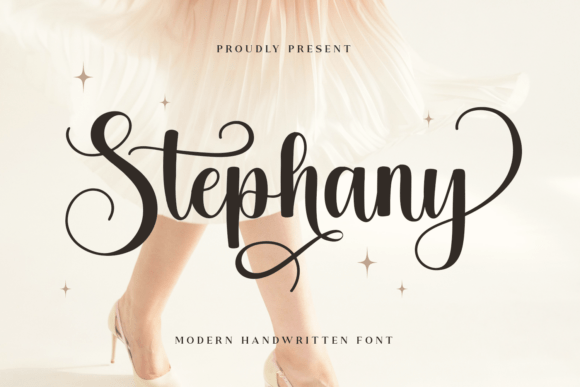
Stephany: The Elegant Script Font for Modern Design
Imagine a typeface that doesn't just convey words, but whispers a story of elegance and personal connection. In the realm of graphic design, the right font is a powerful tool for visual communication, and Stephany, a stunning script handwritten font, offers precisely that—a blend of charm and sophistication that elevates any creative project from ordinary to unforgettable.
The Role of Elegant Typography in Visual Design
Typography is a cornerstone of effective design, directly influencing brand identity, user experience, and overall aesthetic appeal. A font like Stephany, with its fluid strokes and graceful curves, serves as more than just a lettering choice; it becomes an integral part of a project's emotional language. Its handwritten quality injects a human, personal touch that resonates deeply in digital and print communications, helping to build a stronger connection with the audience.
Practical Applications for Stephany Font
The versatility of a well-crafted script font makes it a valuable asset in a designer's toolkit. Stephany excels across a spectrum of applications where a touch of elegance and personality is required. Consider its use in the following contexts:
- Branding and Logo Design: Ideal for boutique brands, wedding planners, or artisanal products where the logo needs to convey craftsmanship and a personal touch.
- Marketing Materials: Enhances the perceived value of invitations, thank you cards, and holiday greetings, making recipients feel specially addressed.
- Social Media Graphics: Creates visually stunning quotes, announcements, and headers that stand out in a crowded feed, improving engagement.
- Website and UI Design: When used sparingly for headlines or accent text, it can guide the user's eye and add a layer of sophistication to the user interface (UI).
- Editorial and Packaging Design: Brings a luxurious, handcrafted feel to magazine layouts, book titles, and product packaging, enhancing shelf appeal.
Integrating Script Fonts into Your Design Workflow
Selecting a font like Stephany is only the first step. To maximize its impact, it must be integrated thoughtfully into the broader design system. Here are key considerations for effective implementation:
- Maintain Visual Hierarchy: Use Stephany for headlines, logos, or key phrases. Pair it with a clean, sans-serif or serif font for body text to ensure readability and a balanced composition.
- Consider Scalability: Test the font at various sizes. Its detailed, flowing nature is perfect for display sizes but may require adjustment for small body copy to maintain clarity.
- Audience and Context Alignment: Ensure the font's personality aligns with your brand voice and audience expectations. It's perfect for celebratory, romantic, or luxurious themes but may not suit a corporate technical manual.
- Color and Composition: The font's elegance is amplified by a thoughtful color palette. Soft pastels, rich jewel tones, or classic black and white can complement its style. Ample white space around the text allows its curves to breathe.
In the ever-evolving landscape of design trends, the pursuit of authenticity and emotional resonance remains constant. Stephany provides a direct path to achieving this, offering a tool that enhances both the aesthetics and the communicative power of your work. By choosing creative assets that align with your project's goals and applying them with strategic intent, you transform design from mere decoration into a compelling narrative that captivates and connects.